Diamond4Tress Boutique
Solar Lights Outdoor Motion Sensor – 3 Head, 270° Wide Angle for Garden & Street Areas
Solar Lights Outdoor Motion Sensor – 3 Head, 270° Wide Angle for Garden & Street Areas
Couldn't load pickup availability
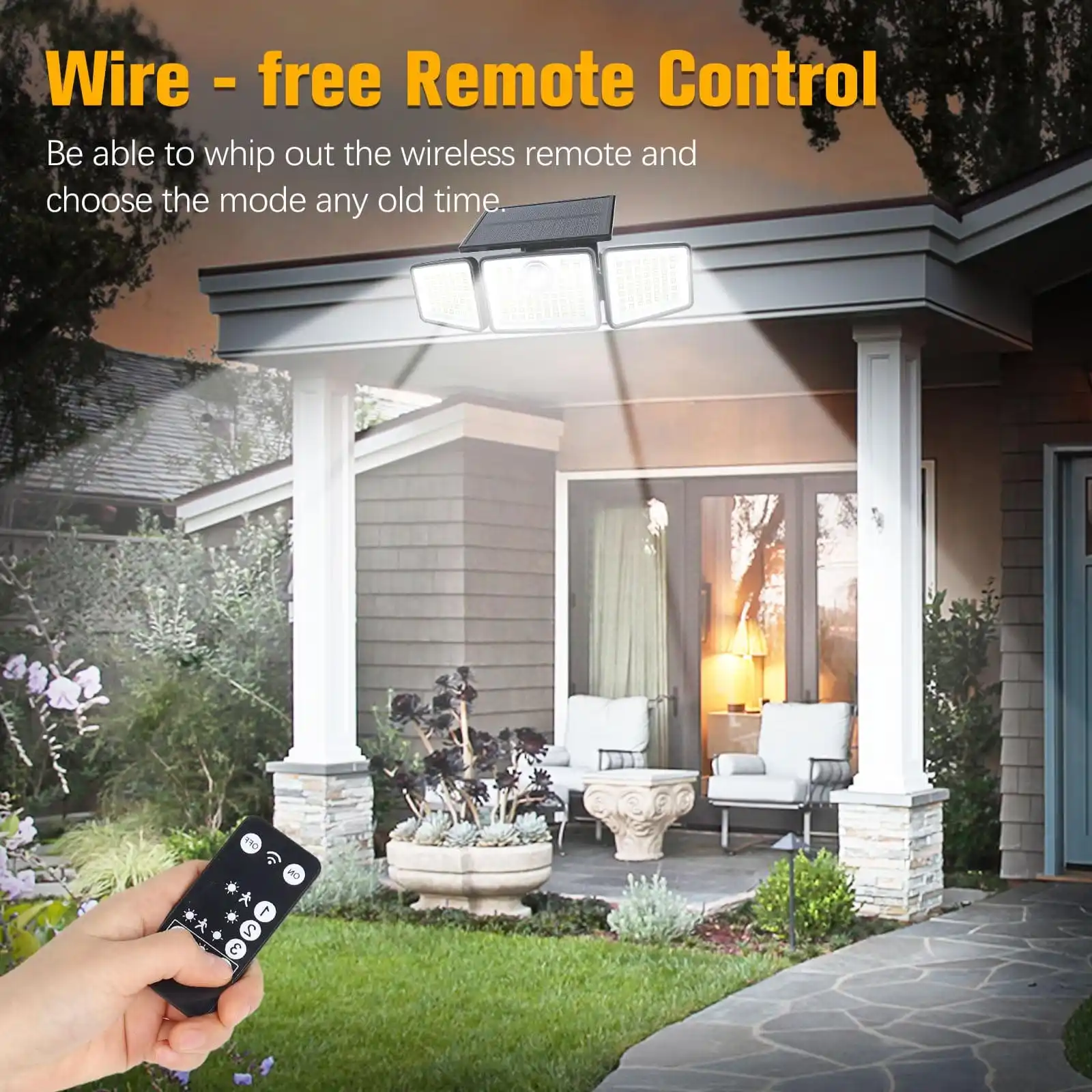
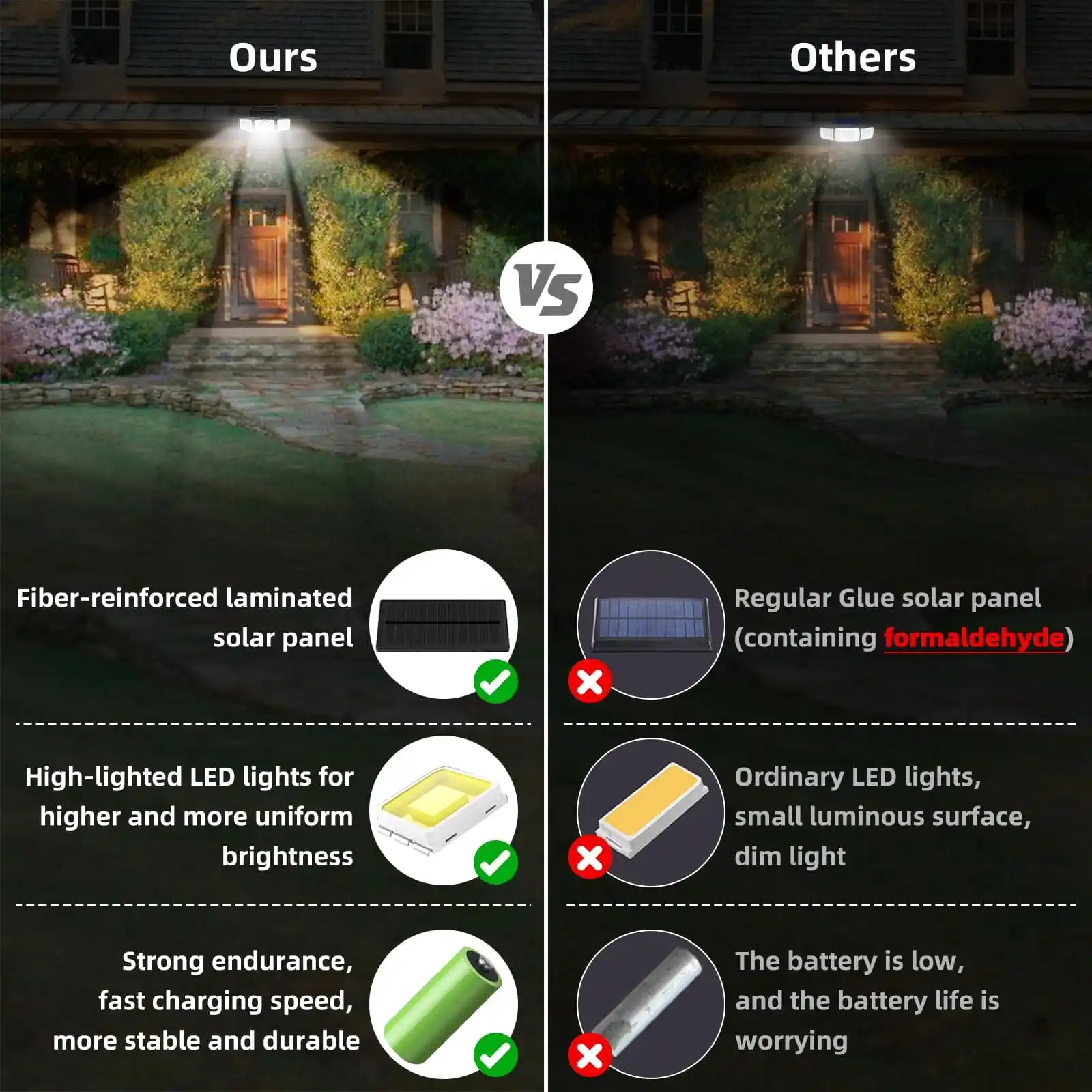
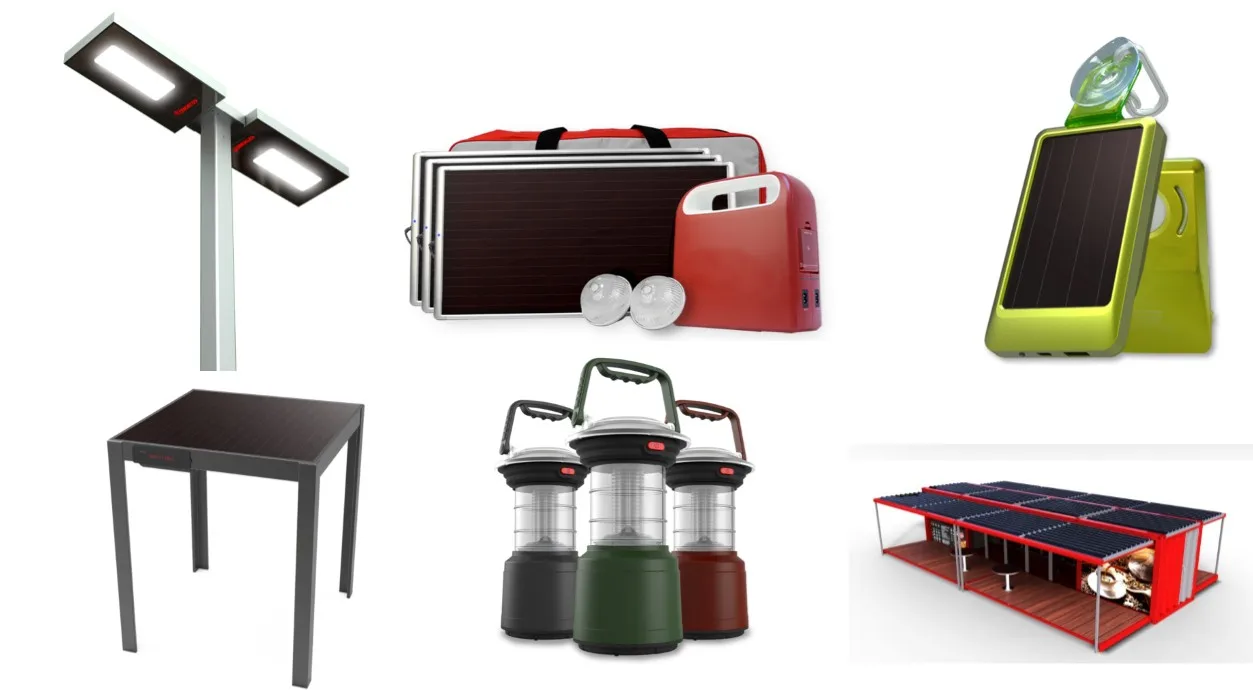
Brighten and protect your outdoor spaces with this high-performance solar motion sensor light. Designed with three adjustable lamp heads and a 270° wide-angle beam, it delivers powerful illumination across large areas such as gardens, yards, driveways, pathways, and street-side spaces.
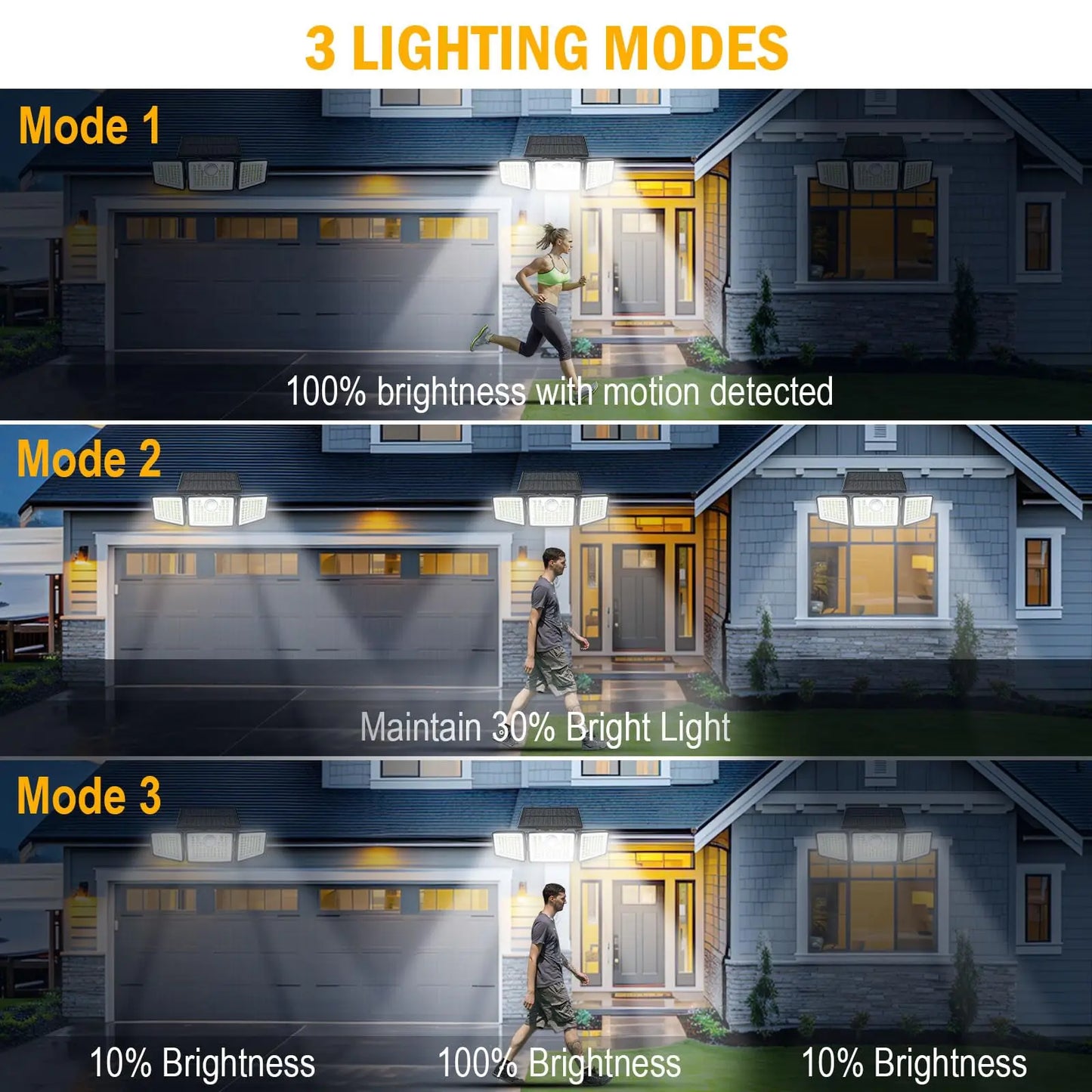
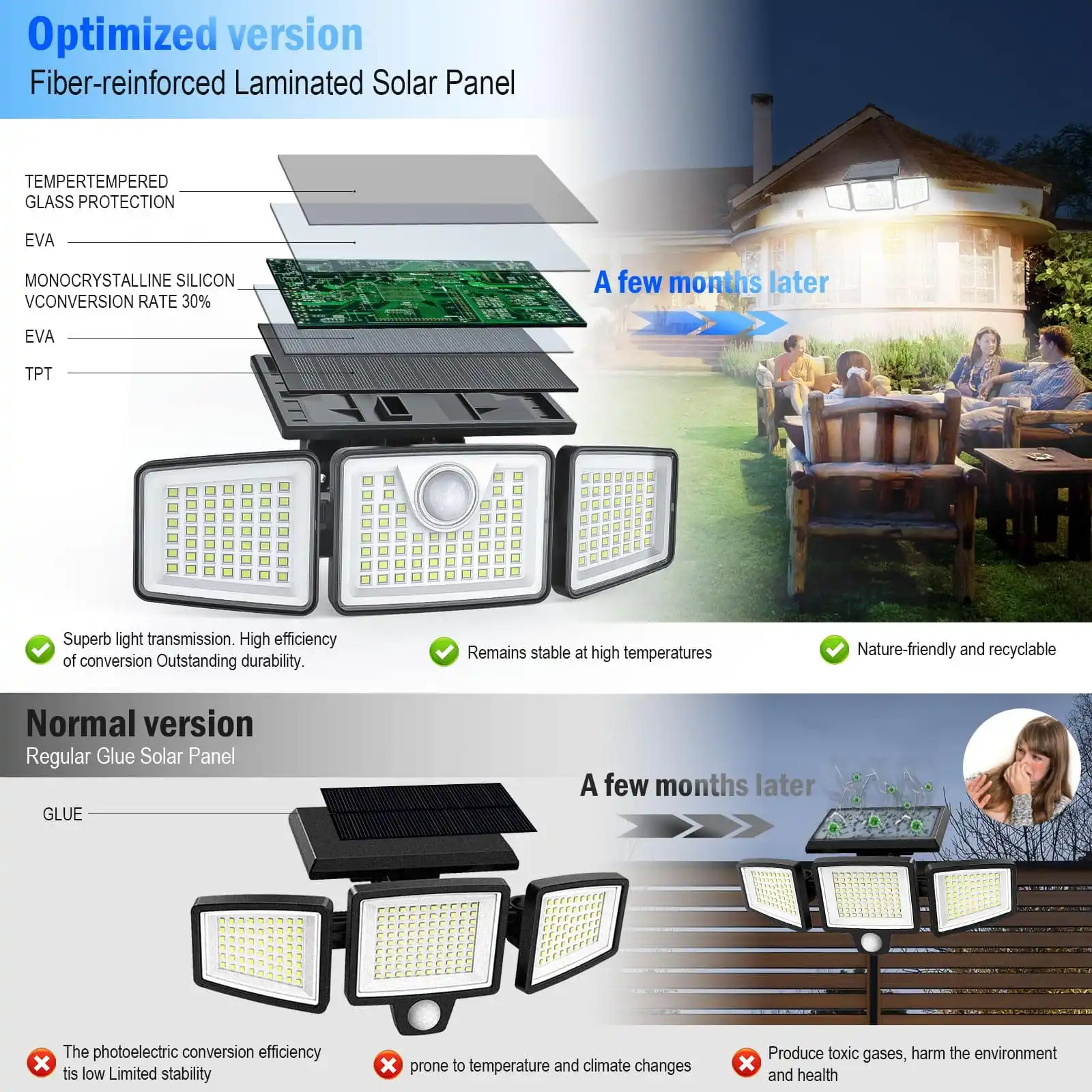
Powered entirely by solar energy, this eco-friendly light automatically charges during the day and turns on at night, helping you save on electricity while enhancing safety. The built-in motion sensor detects movement and instantly activates bright lighting, making it ideal for security and visibility.
Key Features:
-
☀️ Solar-Powered & Energy-Saving – No wiring or electricity needed
-
💡 3 Adjustable Heads – Customize lighting direction for maximum coverage
-
📐 270° Wide-Angle Illumination – Covers a larger outdoor area
-
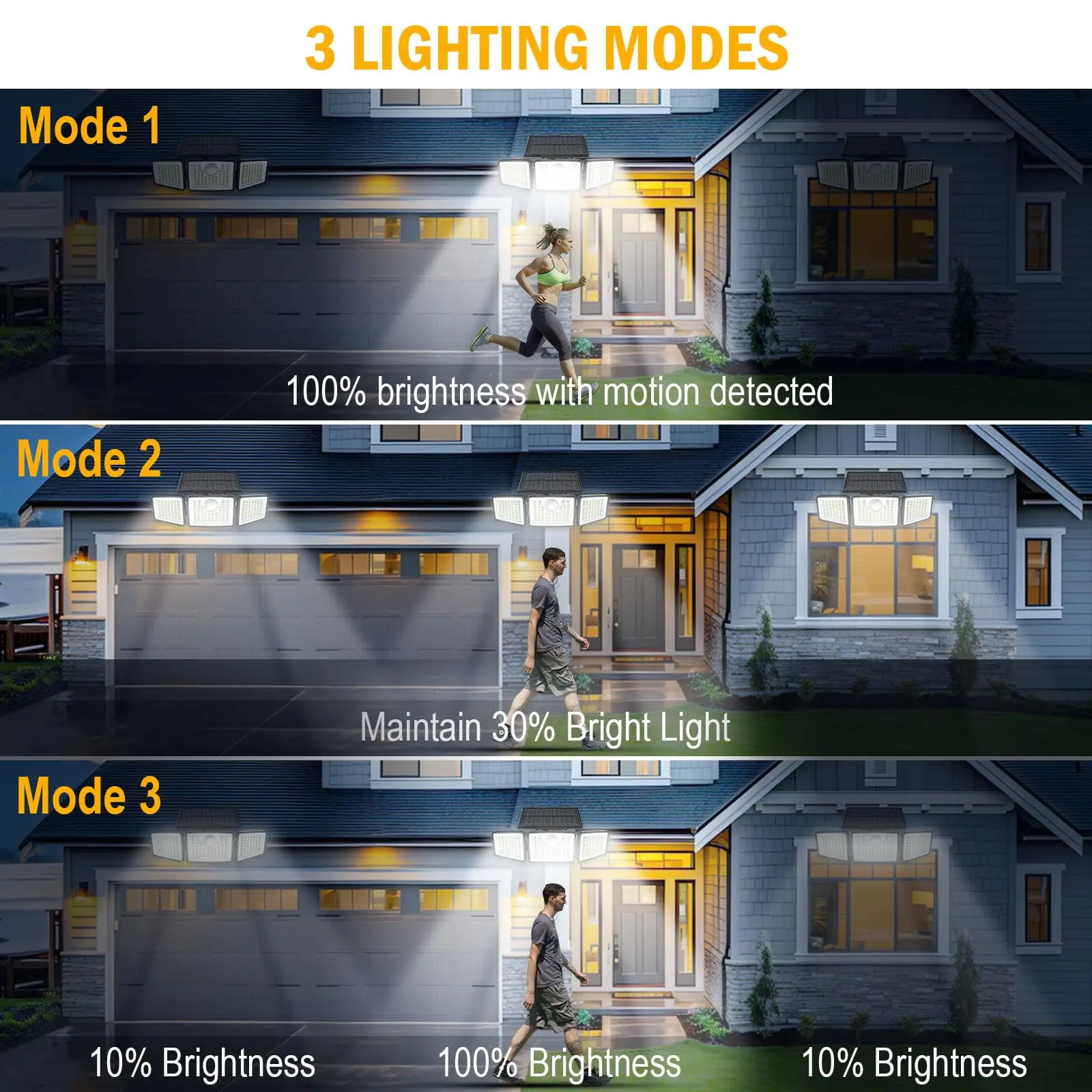
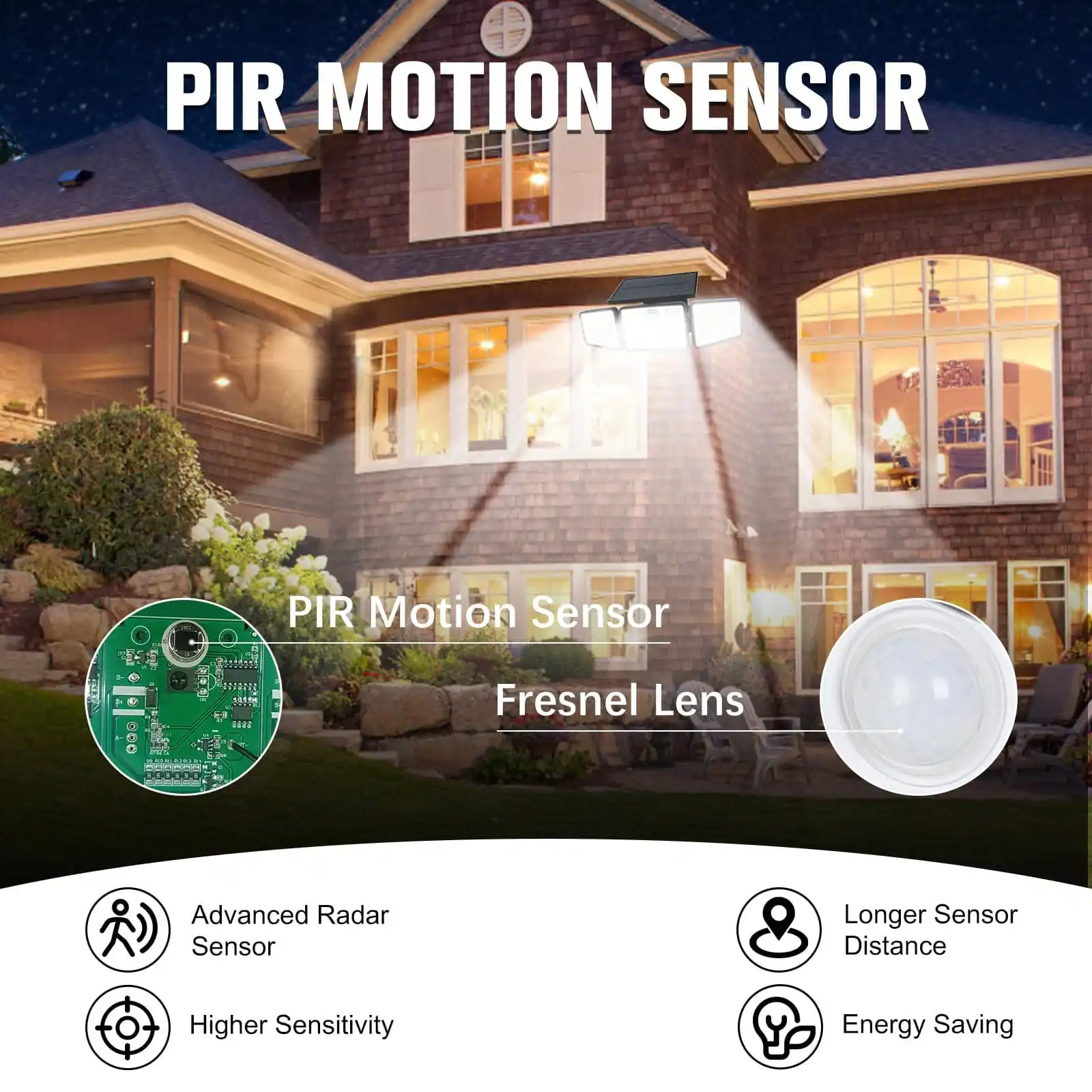
🚶 Motion Sensor Activation – Lights up instantly when movement is detected
-
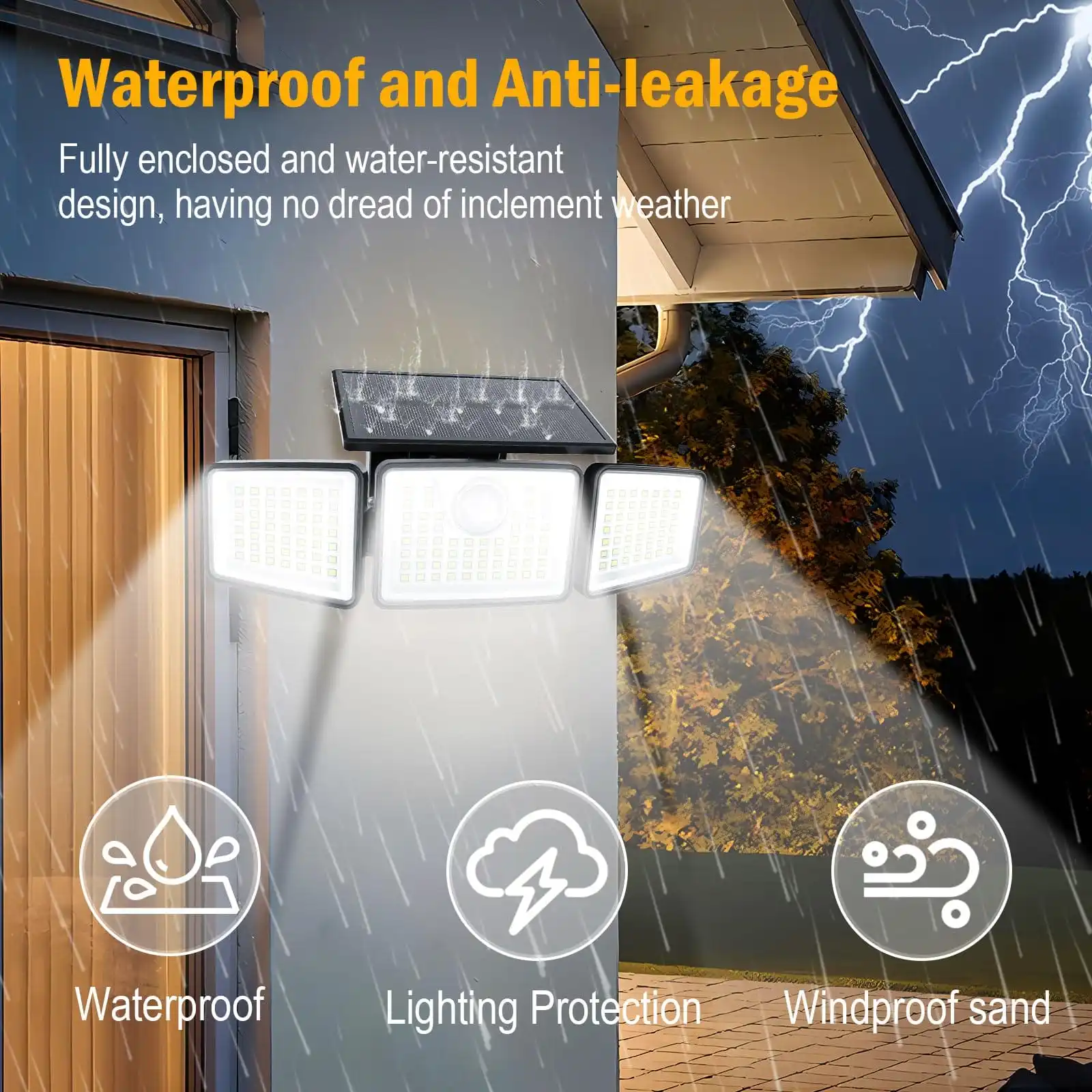
🌧️ Weather-Resistant Design – Built for year-round outdoor use
-
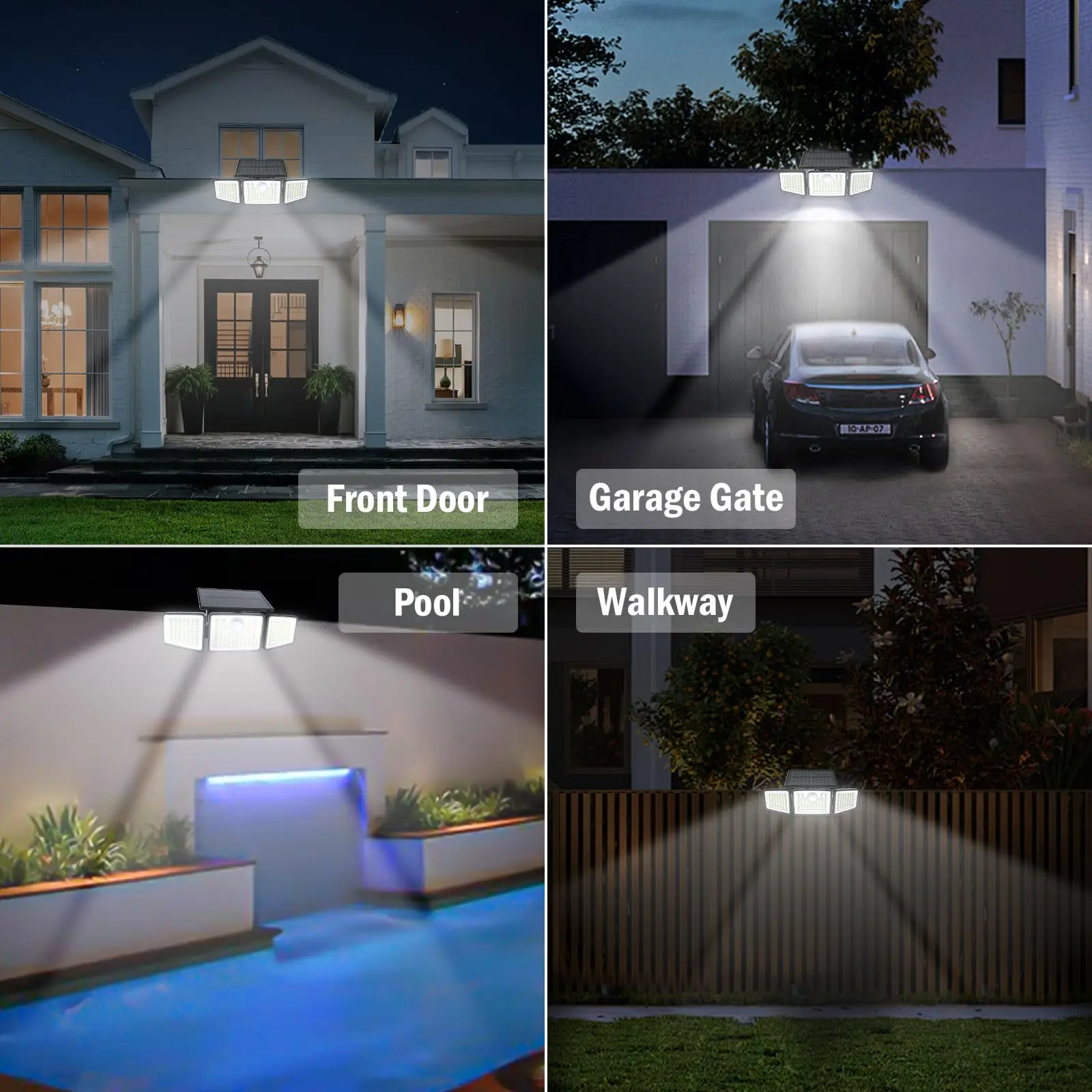
🏡 Perfect for Garden, Yard, Driveway, Street & Patio
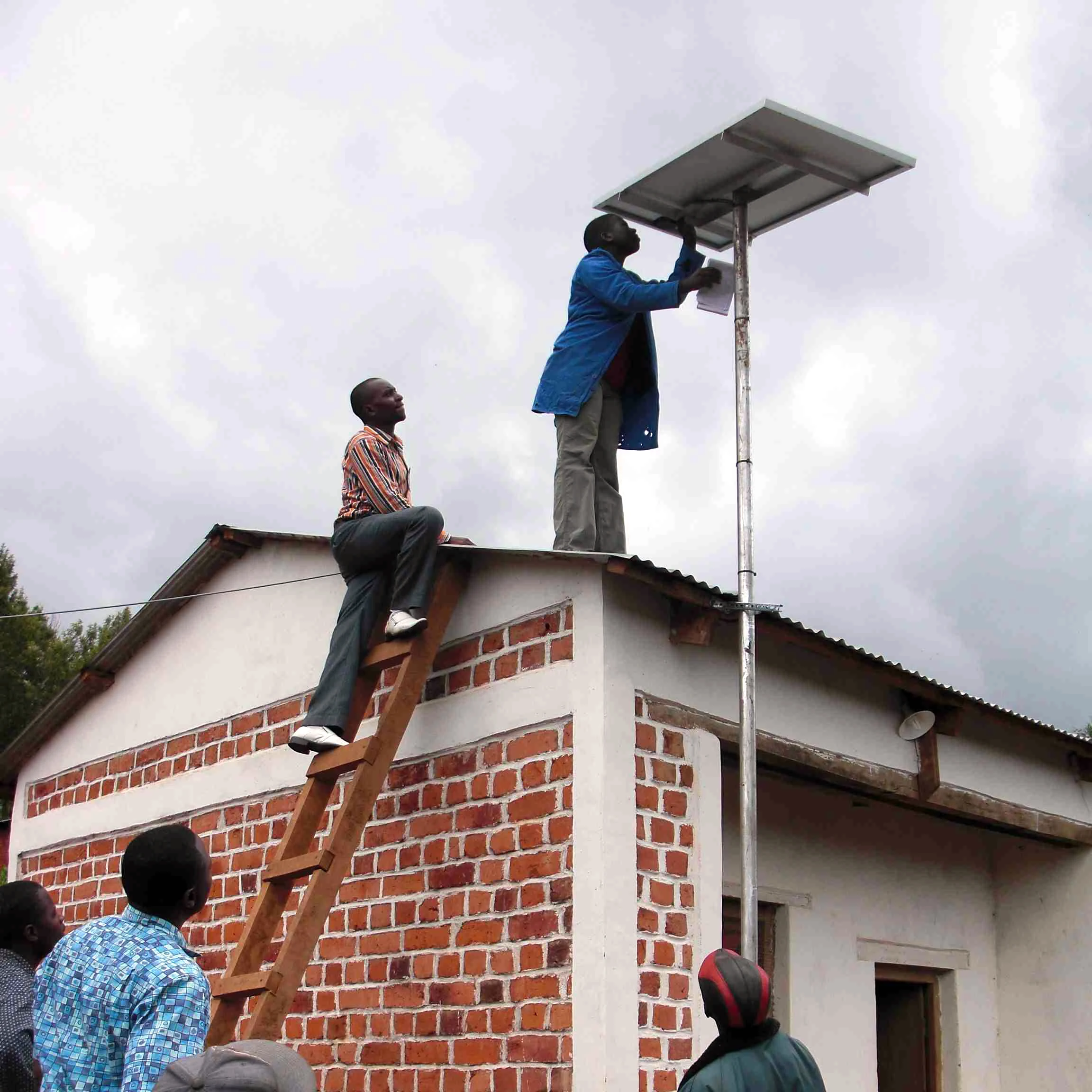
Simple to install and built to last, this solar outdoor light is a smart, reliable solution for both security and nighttime visibility.
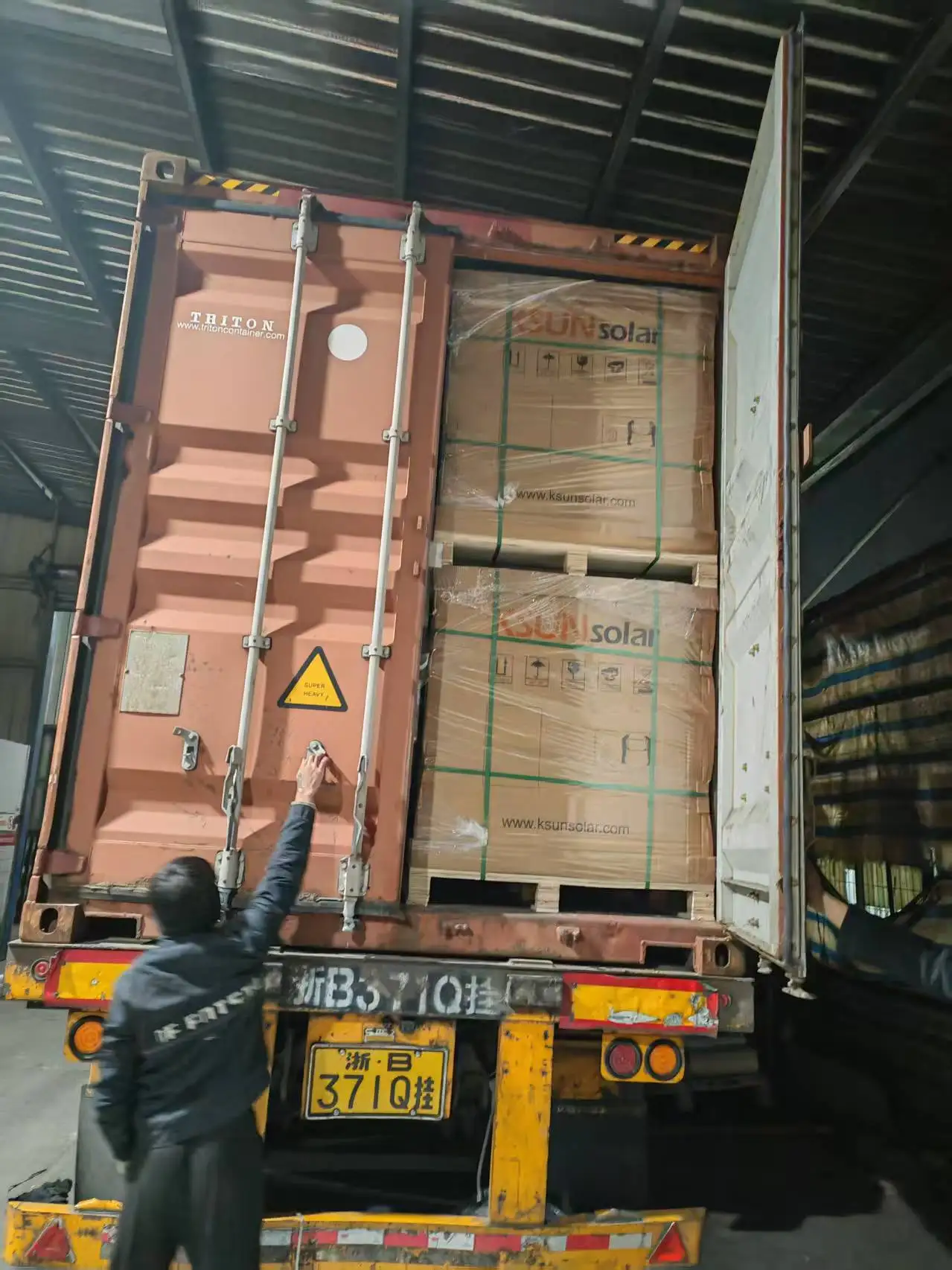
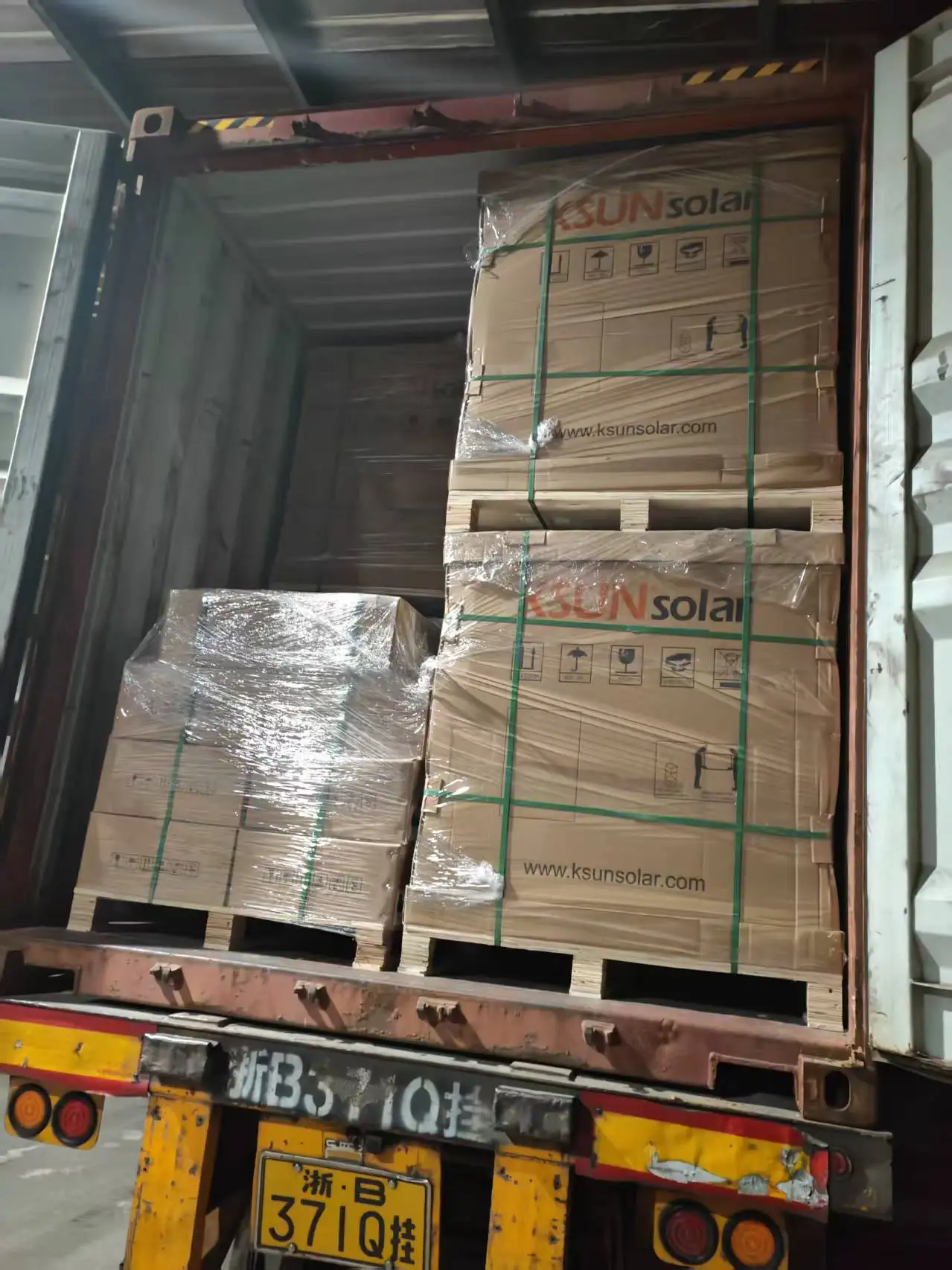
Watt-Rabbit LED, a state-of-the-art lighting factory where precision engineering meets sustainable innovation. Spanning 20,000 m² of ISO-certified production space in Zhongshan’s high-tech corridor, we design, extrude, and assemble high-efficacy LED luminaires for commercial, industrial, and horticultural markets. From raw aluminum extrusion to final photometric testing, every step is vertically integrated under one roof, ensuring lead times as short as seven days and defect rates below 0.2 %. Our 40-person workforce operates 3 SMT lines, automated aging tunnels, and a UL-recognized safety lab, turning cutting-edge LEDs, drivers, and optics into lighting solutions that carry DLC Premium, CE, and RoHS certifications worldwide.
|
1:How long do LED lights last?
|
|
A:A quality LED light can last 25,000–50,000 hours, depending on usage and build quality
|
|
2:Are LED lights energy-efficient?
|
|
A:Yes. LEDs use up to 80–90% less energy than incandescent bulbs and around 50% less than CFLs.
|
|
3:Can LED lights be dimmed?
|
|
A:Many LEDs are dimmable, but you need a compatible dimmer switch designed for LED technology.
|
|
4:Are LED lights safe for the eyes?
|
|
A:Most modern LEDs are safe, especially those with warm or neutral white color temperatures. Choose LEDs with a low blue light rating for comfort.
|
|
5:What color temperatures are available?
|
|
A:LEDs come in a range from warm white (2700K) to daylight (6500K), and even in RGB for colored lighting.
|
|
6:Can LED lights be used with solar power systems?
|
|
A:Yes, their low power consumption makes them ideal for solar lighting setups.
|
|
7:What types of solar systems are there?
|
|
A:Grid-tied (connected to the utility grid)
Off-grid (independent, with batteries) Hybrid (grid + battery backup) |
|
8:How much maintenance do solar systems need?
|
|
A:Minimal — just occasional cleaning of panels and annual checks of wiring and inverter.
|
|
9:Do solar panels work on cloudy days?
|
|
A:Yes, but output is reduced. They still generate electricity from diffused sunlight.
|
|
10.How much can I save with solar?
|
|
A:Savings depend on location, sunlight hours, system size, and local electricity rates. Many users see 50–90% lower bills.
|
|
11.How much space do I need for solar panels?
|
|
A:A typical home system needs 15–25 m² of roof space, depending on panel efficiency and energy needs.
|
|
12. What would an lnverter do under High Ambient Temperature?
|
|
A:The inverter will automatically decrease its output power to protect itself from overheating. You can find the inverters power reduction curve in the installation and operating instructions.
|
|
13.Is the Inverter equipped with a DO Switch?
|
|
A:In most mainstream market, DC switch integrated in inverter is required. All Our inverters are equipped with a DC Switch as default.
|
|
14.what is the difference between off-grid inverter/on-grid inverter/hybrid inverter
|
|
A:
Off-Grid Inverter
* Purpose: Works in places without access to the utility grid. * Power Source: Solar panels + batteries (sometimes generators as backup). * Key Feature: Converts DC (from solar panels/batteries) into AC to power appliances independently. * Grid Connection: ❌ Not connected to the grid. * Use Case: Remote cabins, rural areas, boats, RVs — anywhere without stable grid electricity. |
|
B:On-Grid (Grid-Tied) Inverter
* Purpose: Works with grid-connected solar systems. * Power Source: Solar panels (no battery required). * Key Feature: Synchronizes with the utility grid — excess power can be exported to the grid (often earning credits via net metering). * Grid Connection: ✅ Must be connected to the grid (shuts down when grid is off → no backup during outages). * Use Case: Homes or businesses with stable grid access, where the goal is to lower electricity bills. |
|
C:Hybrid Inverter
* Purpose: A flexible combination of off-grid + on-grid. * Power Source: Solar panels + batteries + grid (all can work together). * Key Feature: Can store excess solar in batteries and feed extra into the grid. Works even during outages by using batteries. * Grid Connection: ✅ Works with or without the grid. * Use Case: Ideal for places with unstable grids — provides backup when the power goes out, while still reducing bills when the grid is up. |
|
Feature
|
Off-Grid Inverter
|
On-Grid Inverter
|
Hybrid Inverter
|
|
Works without grid
|
✅ Yes
|
❌ No
|
✅ Yes
|
|
Can export to grid
|
❌ No
|
✅ Yes
|
✅ Yes
|
|
Requires batteries
|
✅ Yes
|
❌ No
|
Optional
|
|
Backup during outage
|
✅ Yes
|
❌ No
|
✅ Yes
|
|
Cost
|
💲 Medium
|
💲 Lower
|
💲💲 Higher
|